
Camping in the great outdoors is a wonderful way to reconnect with family and friends while relaxing in nature. However, when camping outdoors do raccoons attack tents? Raccoons are wild animals with a natural need to forage for food. If they detect food within your tent, they may attempt to enter to gain access to it.
Raccoons can also become aggressive if they feel threatened. If you or your goods get in the way of a raccoon’s food, the raccoon may attack you to defend itself. Finally, raccoons are rabid and carry rabies and other illnesses. If you are bitten or scratched by a raccoon, you could develop one of these diseases.
If you’re going camping in the woods, you should be aware of the dangers of raccoons. Take measures to keep raccoons out of your campground and protect yourself if you do come across one.
Do Raccoons Attack Tents?
Tents attract raccoons because they provide a potential food and shelter source. While they are not often aggressive creatures, they may attack if they feel threatened or to protect their young. Raccoons may inflict serious damage to a tent, so taking care to prevent attracting them is critical.
How Do I Keep Raccoons Out of My Tent?
If you enjoy camping and hiking in the great outdoors, you understand how crucial it is to keep your campground clean and pest-free. Unfortunately, raccoons are frequently drawn to campgrounds due to the abundance of food.
Raccoons may wreak a lot of damage to your campground and belongings if you don’t protect them. They can also be harmful to humans because they carry diseases. Raccoons may be kept out of your tent and away from your campground by following a few simple procedures.
More tips:
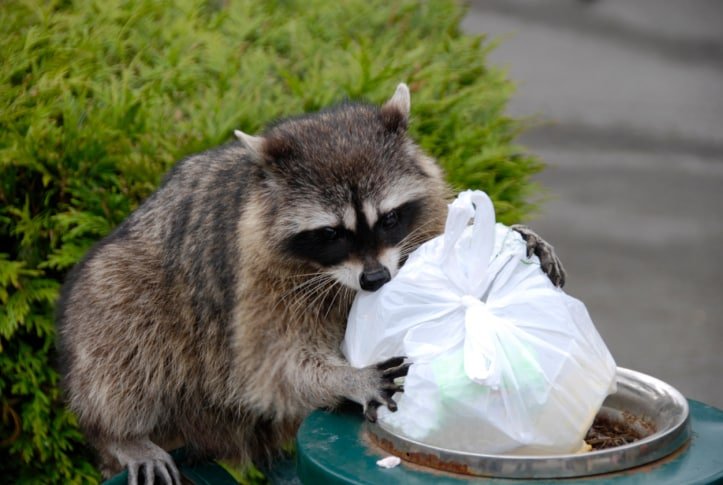
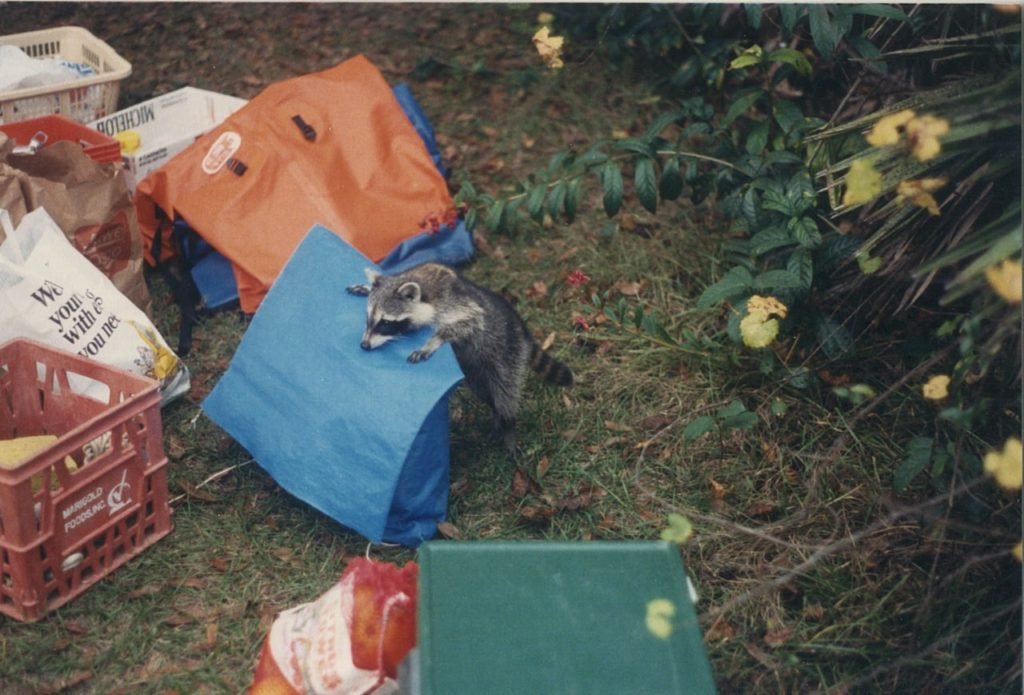
Making sure raccoons can’t access your food is one of the greatest ways to keep them out of your tent. Raccoons are drawn to campgrounds because food is readily available.
If you leave your food out in the open for them to smell, Raccoons will flock to your campground. All of your food should be kept in sealed containers or coolers. Raccoons are known to tear through tents in search of food, so keep your food away from your tent.
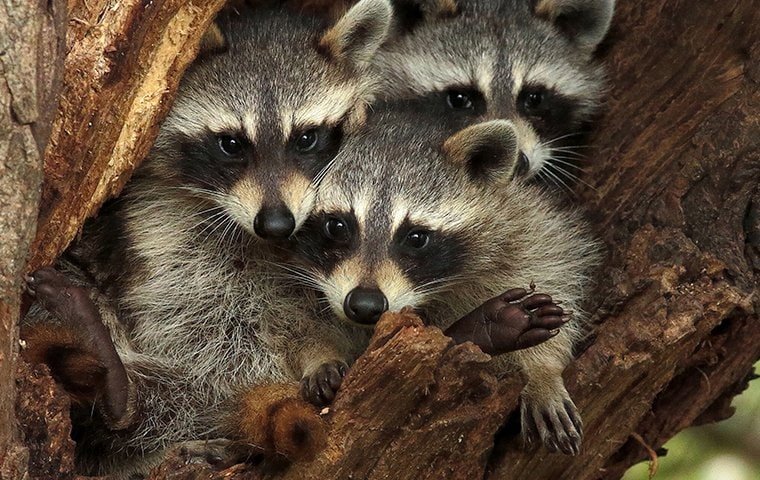
Another approach to keeping raccoons out of your tent is to remove any potential nesting areas. Raccoons frequently build their nests in trees, hollow logs, and abandoned structures. If you have any of these items near your campground, they may be drawn to it and try to establish a home there. Keep any potential nesting sites away from your campground to avoid this.
Finally, by making your campsite less appealing to raccoons, you can keep them away from your campsite. Raccoons are drawn to dark and quiet environments. It may dissuade them from approaching your campground if you make a lot of noise or have bright lights on. Leaving food or waste out in the open will only attract them to your campground.
How to Keep Raccoons Away From Campsite
If you’re thinking about going camping, you might be wondering how to keep raccoons away from your campground. Raccoons are drawn to campgrounds because they provide a convenient source of food and water. They can be a pain, searching through your garbage and causing havoc. Fortunately, there are a few things you can do to keep raccoons away from your campsite.
The first step is to tidy up your campground and remove any food crumbs or waste. Raccoons are attracted to food, so if something is left out, they will discover it. All food should be stored in airtight containers, and rubbish should be disposed of in a sealed bag.
The next step is to eliminate all water sources. Raccoons are drawn to water and will seek it out if you have one at your campground. Remove any standing water, such as in bird baths or puddles, and ensure that all water containers are firmly sealed.
If raccoons continue to be an issue, commercial repellents can be used. Repellents come in spray and granular forms and are accessible at most hardware stores. Follow the packaging instructions and reapply as needed.
You might also make your own repellant with natural chemicals. Water, vinegar, and peppermint oil are combined into one mixture. Another recipe calls for a combination of water, lemon juice, and cayenne pepper. Apply one of these treatments to your campsite and reapply as needed.
Consider using a live trap if raccoons persist. Hardware stores sell food-baited live traps. Once trapped, release the raccoon away from your campground. Keeping raccoons away from your campground is challenging, but not impossible. By taking a few simple steps, you may avoid these pests and enjoy the outdoors.
Tips for Camping with Raccoons
- Don’t leave food out: Raccoons are drawn to food, so any food items should be stored in sealed containers. Also, use containers that can keep food cold while camping.
- Keep your campsite clean: Raccoons are drawn to rubbish, so keep it clean and clear of litter.
- Keep food out of your tent if you’re camping with raccoons: If you’re camping with raccoons, keep any food items in airtight containers and out of your tent.
- Keep your campsite well-lit: Because raccoons are drawn to darkness, keeping your campsite well-lit can help keep them away.
- Use airtight containers that raccoons can’t get into while storing food at your campsite.
- Don’t approach raccoons: Raccoons can be hostile, so it’s best to avoid them. Keep your distance from a raccoon if you see one.
What to Do If a Raccoon Has Attacked Your Tent
The first thing you should do if a raccoon has attacked your best high wind tent is examined the damage. If the attack was mild, you should be able to heal the damage on your own. If the attack was serious, though, you should seek professional assistance. You can make efforts to prevent future attacks once you’ve assessed the damage.
- It is critical to remain calm and avoid panicking if a raccoon has attacked your tent.
- Assess the situation to determine the extent of the damage to your tent and whether the raccoon is still present.
- If the raccoon is still present, use any method necessary to safely drive it away. Making loud noises, tossing objects at the raccoon, or spraying it with water from a hose or pest repellent can all be options.
- If your tent has minimal damage, you might be able to fix it yourself. If the damage is more significant, you may need to have your tent fixed or replaced by an expert. Also, take care as you fold a tent.
- Avoid future raccoon attacks by keeping your campsite clean and free of food scraps, and storing all food and garbage in tightly sealed containers.
Frequently Asked Questions(FAQs)
Can raccoons get in tents?
Raccoons, if small enough, can fit into tents. A raccoon will have a harder time getting into a larger tent. While camping outdoors raccoons attack tents because of food smell and similar reasons.
Will animals bother you in a tent?
If animals can smell food or are drawn to your scent, they may annoy you in a tent. To avoid this, keep food out of your tent and avoid wearing perfume or cologne with a strong scent.
How safe is camping in a tent?
There is no conclusive answer to this topic because it is dependent on a number of circumstances, including the campsite’s location, weather conditions, tent type, and the camper’s level of experience. In general, though, tent camping is considered to be relatively safe.
How do I keep raccoons out of my tent?
Firstly keep all your food away from open spaces and store them in tight containers. Next, remove all nesting areas for raccoons. Finally, you can keep raccoons out of your tent by making some noise and turning on lights.
Conclusion
When camping outdoors do raccoons attack tents? Because raccoons are wild creatures, their behavior varies significantly. There is no precise solution to this issue. When camping in locations where raccoons are known to live, it is always better to be prepared for any potential threat. Simple safeguards include securely storing food and waste and keeping a watch on small children and pets.If you encounter a raccoon while camping, do not approach it or attempt to feed it, as this can be fatal.