

Have you ever thought of becoming an adventurer like Indiana Jones, Bear Grylls, or Lara Croft? Well, you don’t have to be a fictional character to have exciting adventures. In my article, I will give you some secret tips on how to be an adventurer in real life.
In order to be a professional adventurer, one must be willing to take risks. A professional adventurer is willing to explore new things and is not afraid of the unknown. She must also be agile and adaptive. However, let’s explore the necessary skills needed on how to be an adventurer.
Do you really love adventure?

You will need to ask yourself before trying to become a professional adventurer because if you do not love it, you can not sustain the hardship. Only you can answer this question for yourself. You can judge whether you truly love adventure in the following ways.
One great way to determine whether you are adventure-minded is to think about all instances you have gone on adventures or even on a mission trip. Did you enjoy yourself? Did you feel exhilarated? Do you read stories on National Geographic often? If you replied yes to all of these questions, then it is likely that you love adventure.
Another way to know if you love adventure is to think about how you feel when planning an adventure. Do you get excited? Do you feel like you can’t wait to get started? If you feel this way, then it is a sign that you are adventurous.
The best way to know if you love adventure is to go on an adventure activity. It is better to try a new activity that you have not done before. If you find that you enjoy it and have a great time, you likely love adventure.
How to be an adventurer: Benefits

- If you become a professional adventurer, you will be able to travel to amazing places, do cool stuff, and see things most people only dream of. It is more exciting than any other career.
- A professional adventurer meets new and interesting people from all over the world. She has new and exciting experiences every day.
- Learning new skills and knowledge is another requisite for an adventurous job. Therefore, if you become a professional adventurer, you will become a resourceful person.
- If you become a professional adventurer, you get to test your limits and push yourself to new levels. It will make you feel alive and exhilarated.
- A professional adventurer lives her life on her own terms. She does not have a full time job. Her scope of work is not limited. She can earn a good living doing something they love. It makes them personally fulfilling.
Earning money and managing funds for the adventures

Adventurers need to be able to support themselves and their equipment, buy gear and pay rent for them. They need to be able to buy supplies and hire help when needed. Furthermore, professional adventurers need to be able to pay for their own training and development. Also, they need to be able to buy insurance in case they are injured or killed while adventuring. Apart from these, adventurers need to be able to give back to their communities by donating money to charities or causes that they believe in. Below are some of the most common ways a professional adventurer can earn.
Selling the stories
Selling stories is one of the different ways to make money as a professional adventurer. An adventurer can sell her stories and photos to magazines and newspapers. If she has a good story to tell, there are a number of publications that would be interested in buying it. Another way to sell the story is to give lectures or lead tours. If you’ve been to some amazing places or have done some extraordinary things, people would be willing to pay to hear about your experiences.
Marketing your own product
This is the most common way to make money as an adventurer. It is a convincing way of selling products related to your adventures. The product can be anything from a book or DVD about your experiences to outdoor gear. Suppose you’ve got a unique story to tell and the ability to market yourself and the product correctly. In that case, there’s no reason you can’t make a living as a professional adventurer.
Starting a blog
Blogging can earn money for a professional adventurer in several ways. One way is to promote products on her blog and get paid by the advertiser. She can work with brands and companies to promote their products or services on the blog. Additionally, a professional adventurer can earn money through affiliate marketing. She earns a commission for every sale that she refers. A professional adventurer can also choose to sell her own products or services through her blog.
Film making
There are many different ways for a professional adventurer to make money through filmmaking. Selling films to distributors or broadcasters is one of the great ways. Another way is to crowd-fund their films through platforms like Kickstarter or Indiegogo. Youtube is also a great way to earn if a professional adventurer can create great video content. Additionally, a professional adventurer can also make money by teaching filmmaking workshops or giving lectures on her experiences.
Earning by motivational speaking
Many professional adventurers make money by motivational speaking. They can share their stories and experiences with others to inspire them to pursue their own adventures. Additionally, they may offer tips and advice on planning and executing an adventure safely and successfully.
Becoming an influencer
A professional adventurer can make money by becoming a brand ambassador if she has a substantial number of fans and followers. She can become an influencer on social media platforms like Instagram or YouTube. She can also give talks or workshops about her adventures, write books or articles about their experiences, and influence people to become loyal to any particular brand. An adventurer can sell products to the fans and followers related to their adventures, such as clothing, equipment, or even food. Self-promotion is crucial if you want to be an influencer and make money.
How to be an adventurer: Choose your adventure
Adventure is not limited to one or two activities. There are a number of ways you can enjoy it. Therefore, before the expedition, you need to know what kind of adventure activities you like most. Below are some of the most common types of adventures people go on.

Camping and hiking
Camping is a great way to connect with nature in a very intimate way. You can spend time enjoying nature, and you don’t have to worry about anyone else’s needs or schedules. When you think of how to be an adventurer, you will usually think of going camping or hiking.
After a long day of hiking, you finally reach your campsite. You unfold your tent and start a fire in the fire pit. You cook dinner and sit around the fire, telling stories and roasting marshmallows.
As the night gets colder, you crawl into your tent and snuggle into your sleeping bag. You drift off to sleep, listening to the sounds of the forest. In the morning, you wake up and make breakfast. You pack up your things and head back out on the trail.
If you enjoy all these activities, camping can be a great adventure.
Canoeing
Adventurous people often love canoeing more than anything else. It’s such a peaceful way to travel and see the world. You will always feel so connected to nature when you will out on the water.
Canoeing is the perfect adventure for those who love being outdoors and exploring new places. It’s a great way to get some exercise while enjoying the scenery.
There’s nothing quite like paddling through calm waters, surrounded by beautiful views. Canoeing is the perfect way of having a good time and unwinding. It’s also a great way to bond with friends and family.
Climbing
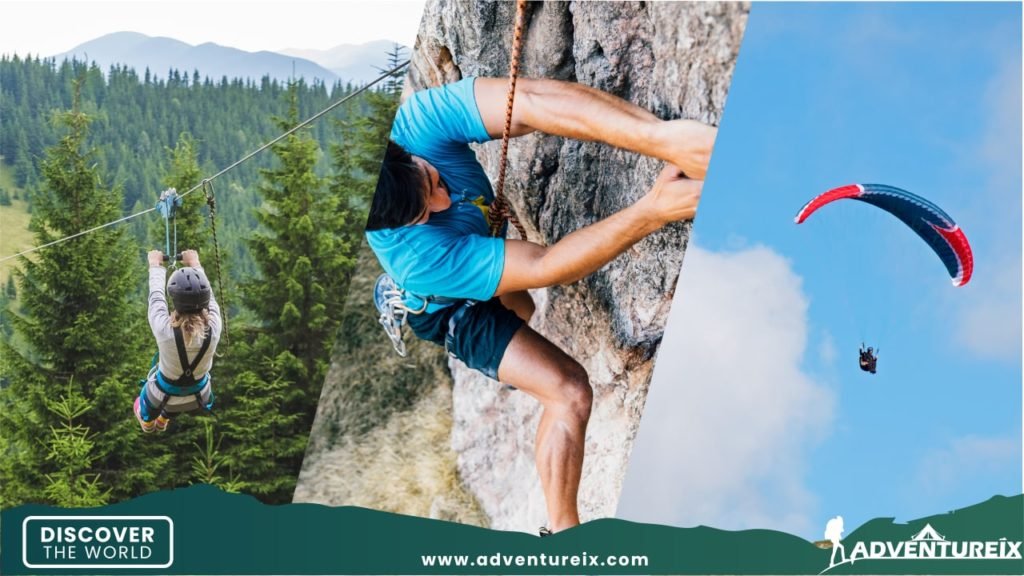
Not everyone can take on the challenge of climbing and enjoy the thrill of summiting a mountain. If you have experienced guides and the necessary equipment to take on the adventure, you’ll be safe. An unforgettable experience is waiting for beginner climbs to multi-pitch climbs if they finally manage to carry on the adventure. And, of course, the views from the top of the mountains are unbeatable.
Skydiving
The thrill of diving out of a plane and free-falling through the sky is an experience like no other. If you’re looking for an adventure that will get your heart racing, then skydiving is for you.
There’s nothing quite like the feeling of the wind rushing through your hair as you plummet towards the ground. It’s an exhilarating experience that will leave you feeling alive and on top of the world. So, if you’re ready to take the plunge, you can book your skydiving adventure.
Ziplining
Ziplining is an adventure activity that is growing in popularity. Participants strap themselves into a harness and zip down the line from a high point to a lower point. The experience is both thrilling and scenic.
After being securely harnessed in, participants zip down a wire at high speeds, often hundreds of feet above the ground. The exhilarating experience is perfect for those who love a good adrenaline rush.
Bungee jumping
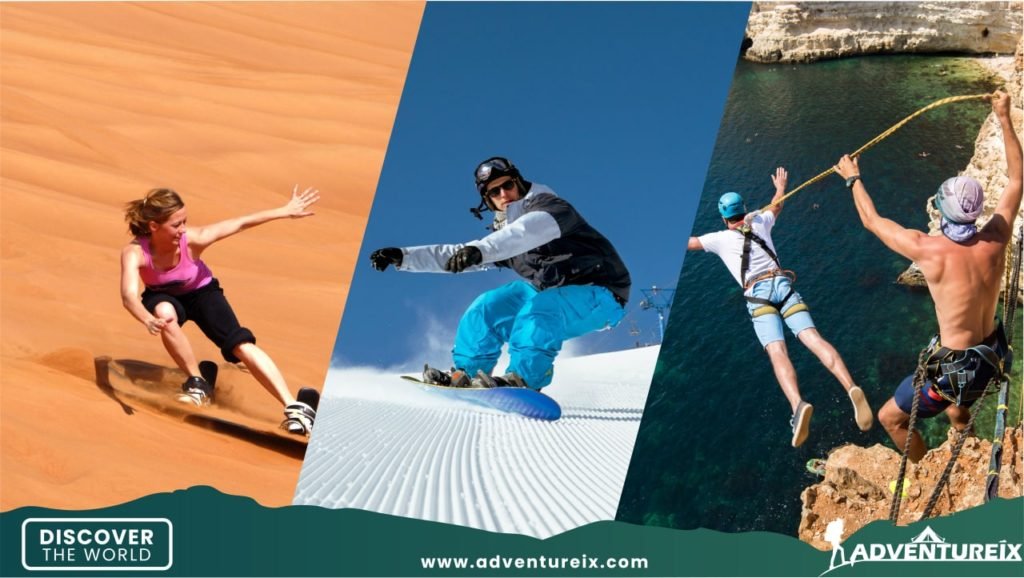
Bungee jumping is an extreme sport that involves jumping from a high place, typically a bridge or a cliff, while attached to a large elastic cord. The cord is attached to a harness worn by jumper and is used to return to the jumping platform.
Bungee jumping can be a thrilling and exhilarating adventure. It can also be dangerous. Therefore, only experienced and trained persons should attempt this.
Sandboarding and snowboarding
Sandboarding and snowboarding are two of the most popular adventure sports in the world. Both activities are great ways to get a fever pitch and enjoy the outdoors.
Snowboarding is a winter sport that has been around for many years. It involves riding down a slope on a snowboard, a special type of board attached to your feet. Snowboarding is a great way to enjoy the snow and get some exercise.
Sandboarding is a relatively new sport that has gained popularity in recent years. It is similar to snowboarding, but instead of snow, sand is used. Sandboarding can be done in any desert area with sand dunes.
Things to consider on how to be an adventurer:
Wear the right cloth

When you’re embarking on an outdoor adventure, one of the most important things to consider is what to wear. Depending on the activity and the weather, you’ll want to make sure you have the right layers to keep you comfortable.
The key to dressing for an outdoor adventure is layering. You’ll want to have several layers of clothing that you can add or remove as needed. The base layer should be made of a material that wicks away sweat and moisture, like synthetic fabrics or merino wool. This will help you stay comfortable even if you work up a sweat.
The next layer should be insulating to trap heat and keep you warm. Down or synthetic fill jackets are a good option. The final layer is the shell, which protects you from the elements like wind and rain. A waterproof and breathable jacket is essential for the final layer.
You might also need to wear special gear, like hiking boots or a helmet, depending on the activity. And don’t forget to pack sunscreen, sunglasses, and a hat to protect you from the sun.
With the right clothes, you’ll be prepared for anything your adventure throws at you. But the requirement of the clothes is wholly dependent on the type of adventure activities you are taking on.
Pack smart

There are a few things to consider when packing and backpacking for a solo professional adventure. You will need to choose a comfortable backpack that will fit all of your gear. Additionally, you will need to pack light to carry your backpack for long periods of time. You will need to pack smart, as you will need to be able to access your gear easily.
When choosing a backpack, make sure that it is comfortable to wear and has enough space to fit all of your gear. A good backpack will have a lot of compartments and pockets to help you organize your things.
When packing for a solo adventure, it is important to carry a lightweight load. You should only bring the essentials, as you will be carrying your backpack for long periods of time. Choose versatile items, and you can use those items for different purposes. For instance, you can use a sarong as a towel, a piece of clothing, or a blanket at the same time. Be sure to learn how to fly with camping gear properly.
When packing your backpack, make sure to pack smart. You should pack items that you will need quick access to, such as a map and a compass. You should also pack heavier items towards the bottom of your backpack, as this will help to distribute the weight evenly.
Keep yourself safe
Whether you’re planning a solo adventure or touring in a group, safety should be one of the prime priorities. Going solo can be an unforgettable experience to be an adventurer. But it’s important to remember that you’ll be entirely responsible for your own safety. Here are a few tips to help you stay safe during your next adventure:
- Choose a safe destination. You have to research beforehand to pick a safe place to travel to. Consider the crime rate, the political situation, and the general safety of the area.
- Tell someone where you’re going. Before starting your adventure, make sure to inform someone whom you trust about your schedule and destinations. This way, someone will be looking for you if you don’t return when expected.
- Go with your gut. If something doesn’t feel right, get out of the place you are touring without overthinking.
- Be aware of your surroundings. Pay attention to the people around you and the general environment. If you feel like you’re being followed, get to a safe place ASAP.
- Carry a personal safety device. A loud whistle or pepper spray can be a great way to deter an attacker.
- Trust your intuition. If something feels off, it probably is. Get out of there as soon as possible and resort to a safer place.
- Cultural exploration is important before you travel to a new place. Know the local people. It will help you be accustomed to the new environment easily.
Keep yourself hydrated

No matter where your adventure takes you, it’s important to stay hydrated. Depending on the climate and your activity level, you may need to drink more water than usual to avoid dehydration. Below are a few tips to help you stay hydrated during your next professional adventure.
Take plenty of water with you. This may seem like a no-brainer, but it’s important to plan ahead and bring enough water for your entire trip. If you’re unsure how much water you should bring, a good rule of thumb is to pack one gallon (3.8 liters) per person per day.
Drink water regularly, even if you’re not thirsty. Keep taking sips throughout the day rather than waiting until you are thirsty. By doing this, you will already be dehydrated before you feel thirsty.
Avoid alcohol and caffeinated beverages. Alcohol and caffeine can actually dehydrate you. So, limit your intake of these beverages and drink extra water to compensate.
Eat water-rich foods. Apart from taking a lot of water, keep yourself hydrated by eating foods high in water content. Fruits and vegetables like watermelon, cucumber, and tomatoes are great options.
Take breaks in the shade. If you’re hiking or doing any other outdoor activity in hot weather, take breaks in the shade to cool off and rehydrate.
Eat adequately

Adequately eating while you are on an adventure is very important. It is important to ensure that you are getting enough food and water to keep your energy up. Below are some tips on adequately eating while you are on a big adventure.
Make sure to pack enough food with you. Make sure you are packing snacks that are calorie-dense and dense in nutrients. This will help you to stay energized. Take breaks and do not overeat. Thus, you will not feel too hungry and cranky.
Eat healthy foods and avoid junk food items. Eating healthy foods will help you have more energy and help you stay healthy while you are on your adventure.
Beware of the wildlife
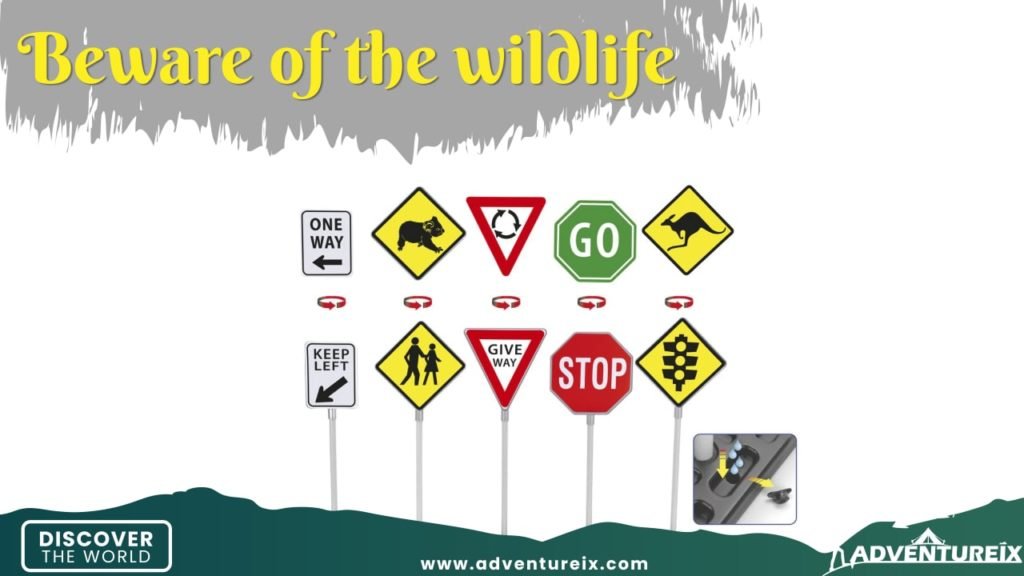
You have to beware of the wildlife when you are on the adventure. If you find yourself unexpectedly face-to-face with a wild animal while you are out on an adventure, there are a few things you can do to stay safe. Try to remain calm and avoid making any sudden movements. If the animal is a predator, it may become aggressive. If the animal is herbivorous, it may be scared and flee. Either way, it is best to avoid antagonizing the animal.
If the animal is approaching you, slowly back away while keeping your eyes on it. Do not turn your back on the animal or run away, as this may trigger its predatory instincts. If the animal does attack, try to protect your head and neck and use whatever you have to defend yourself, whether a stick, a rock, or even your fists.
If you can safely get away from the animal, wash any wounds thoroughly with soap and water and seek medical attention if necessary. You should also report the incident to the authorities so that they can be aware of any potentially dangerous animals in the area.
Fire responsibly
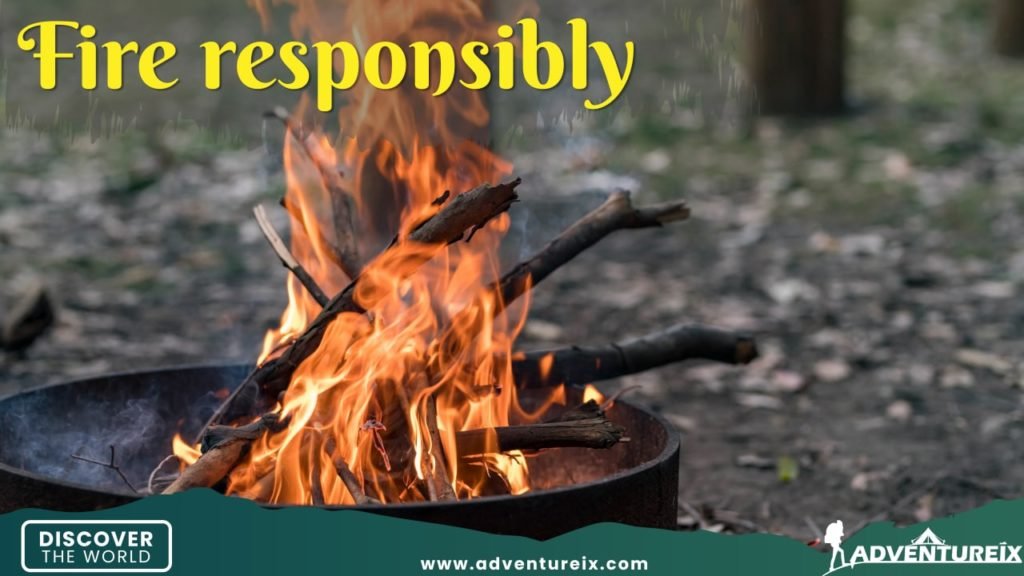
One of the most important skills to have while adventuring in the great outdoors is the ability to build a fire. A fire can provide warmth and comfort, but it can also be used to cook food, boil water, and signal for help.
Building a fire is a simple process, but there are a few things to keep in mind in order to do it responsibly. First, always check for fire restrictions in the area you will be adventuring. In some areas, open fires are not allowed. Therefore, know the local rules and regulations during planning for the tour.
Make sure you have a clear area to build your fire. Be sure to clear away any leaves, twigs, or other flammable materials from the area where you will be building your fire. Once your fire is built, never leave it unattended.
Use only small pieces of wood at a time. Large chunks of wood are difficult to fire, and they can produce a lot of smoke.
Never build a fire near a tree or bush. The heat from the fire can damage the tree or bush, and the flames can easily spread to the surrounding vegetation.
Finally, always completely extinguish the fire before leaving your campsite. To do this, pour water on the fire and cool the ashes so that they do not harm any wild animals.
Gear up properly

The right gear is something that can make your adventure complete and fun. You will be relying on several factors while choosing the appropriate gear for your tour. Here are some tips that might help you:
The first thing to consider is the climate of visiting the place. If it is a cold place, then you need to pack accordingly. The second thing is the terrain. If you are going to be trekking through a jungle, then you need different gear than if you were just hiking on a trail.
The third thing to consider is the magnitude of difficulty of the tour. If you are a beginner, you need to choose the appropriate gear for your level. For example, a safety and support net might be necessary for an amateur adventurer. The fourth thing is your budget. You need to set a budget for your gear and stick to it. The fifth and final thing to consider is your own comfort level. You need to choose gear that you are comfortable with, which will not cause you any problems.
Keep yourself mentally fresh

It is easy to get caught up in the excitement and forget about taking care of your mental health when you are on an adventure. Here are some tips to help you stay mentally strong while you are on an adventure:
Set realistic expectations. Don’t put pressure on yourself to have a perfect adventure. Things will go wrong, and that’s okay. Stay connected to your support system: Whether it’s your family, friends, or a therapist, make sure you stay in touch with the people who care about you.
Take time for yourself. Make sure you schedule some time each day to do things that make you happy, such as reading, journaling, or taking a nature walk. Be prepared for bumps in the road. If you know you’re going to be facing some challenges on your adventure, mentally prepare yourself for them.
This will help you stay calm and focused when things get tough. Listen to your gut. If you don’t feel something right, don’t do it. Trust your intuition and be willing to change your plans if necessary. This is one of the essential part for how to be an adventurer.
Leave no trace
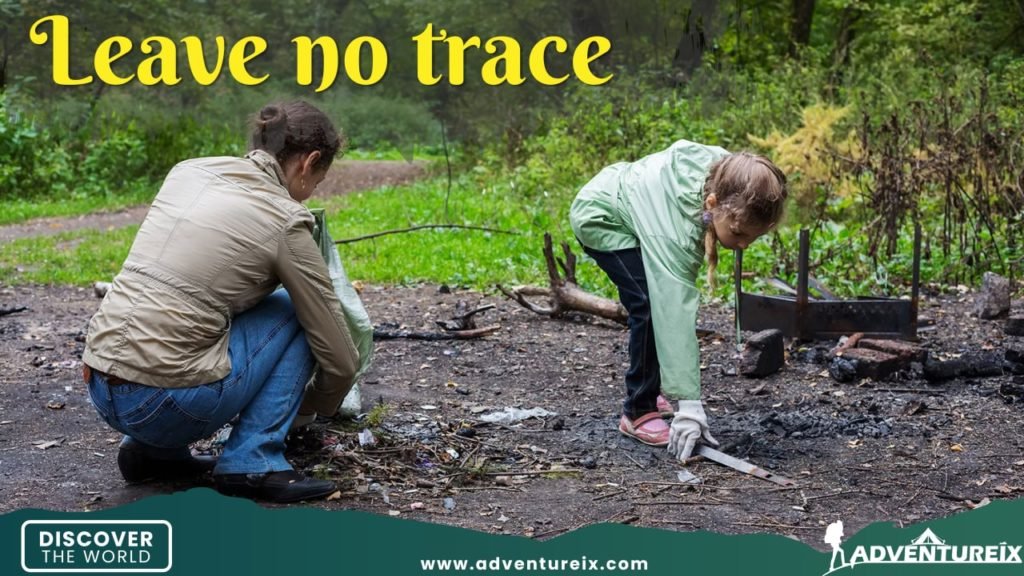
Leaving no trace is an important skill for how to be an adventurer. It helps protect the environment and keep the adventurer safe as well. When people leave trash behind, it can harm animals and plants. It also makes it harder for future adventurers to enjoy the same wilderness experience.
The best way to leave no trace while you are on an adventure is to be mindful of your impact and take steps to minimize your footprint. Be sure to pack out all of your trash and not disturb any natural features. If you are camping, use a stove instead of building a fire, and pack out all of your food scraps. Dispose of the waste properly. Plan ahead and prepare for the tour in an organized way. Travel and camp on durable surfaces. Put off the fire properly before leaving the campsite. Be respectful to the wildlife and be considerate with other travelers.
Frequently Asked Questions(FAQs)
Is being an adventurer a career?
Yes, It is. However, earning money and how to be an adventurer is more difficult than you might think. You will need to know about a lot of things and multitask to make adventurer a career.
What skills do I need to be an adventurer?
You will need a wide range of knowledge about the areas you will be exploring and the activities you will be doing. There are a number of organizations that requires people to travel and visit abroad. These organizations will teach a lot of the skills you will need to know on how to be an adventurer.
How hard is to be an adventurer?
To be an adventurer you will need to have a strong body and mind as well as the determination to see your adventure through. Being an adventurer isn’t like what you see in TV, movie, or anime. Be sure that you can handle everything you find before committing to it.
Are there any special activities to be an adventurer?
There are a number of special activities when you want to know how to be an adventurer. For the most part, it will depend on the location you will be traveling to.
Conclusion
There is no one answer for how to be an adventurer. However, there are some essential qualities that most successful adventurers share. Professional adventurers are passionate about their chosen field, whether mountaineering, exploring new cultures, or searching and rescuing.
They are also physically fit and mentally tough, able to withstand harsh conditions and difficult challenges. Finally, they are skilled in planning and logistics, ensuring that their expeditions are well-organized and safe. With dedication and hard work, anyone can become a professional adventurer.